Commercial property, held for decades.
Offices, industrial, retail and mixed use across the United Kingdom, bought for our own account and managed in-house.
1986
Incorporated in England and Wales
5 September 1986
£35m
Total assets
Filed accounts, 2025
02052965
Company number
Companies House register
Cambridge
Registered office
Royston Road, Duxford, CB22 4QH
A principal, not an agent
Horta Properties Limited was incorporated in England and Wales on 5 September 1986 and has let and operated its own commercial property since. The company buys on its own balance sheet, signs leases in its own name and manages what it owns without appointing a managing agent.
That structure is unusual enough to be worth stating plainly. There is no fund behind the company, no external mandate to satisfy and no disposal window fixed before the keys change hands. The work is underwritten in-house, two directors take the decisions, and the buildings stay on the books.
The registered office is at Suite EF34, The Officers' Mess Business Centre, Royston Road, Duxford, south of Cambridge. The company number is 02052965.
What we do
We invest our own capital across real estate, energy, packaging, private equity and venture capital, and pursue mergers and acquisitions and strategic opportunities.

Direct investments
We invest our own capital directly into businesses, companies, projects and assets where we identify strong long-term potential.
Mergers and acquisitions
Acquisitions, mergers, strategic investments, shareholder transitions and corporate transactions across our areas of expertise.
Private equity
Investment in established businesses with strong fundamentals and growth potential, in minority or majority positions.
Venture capital and startups
Innovative and emerging companies with scalable business models, new technologies and strong growth potential.
Where we invest
Five asset types in one portfolio. What links them is a location that still works when the tenant changes.
Offices
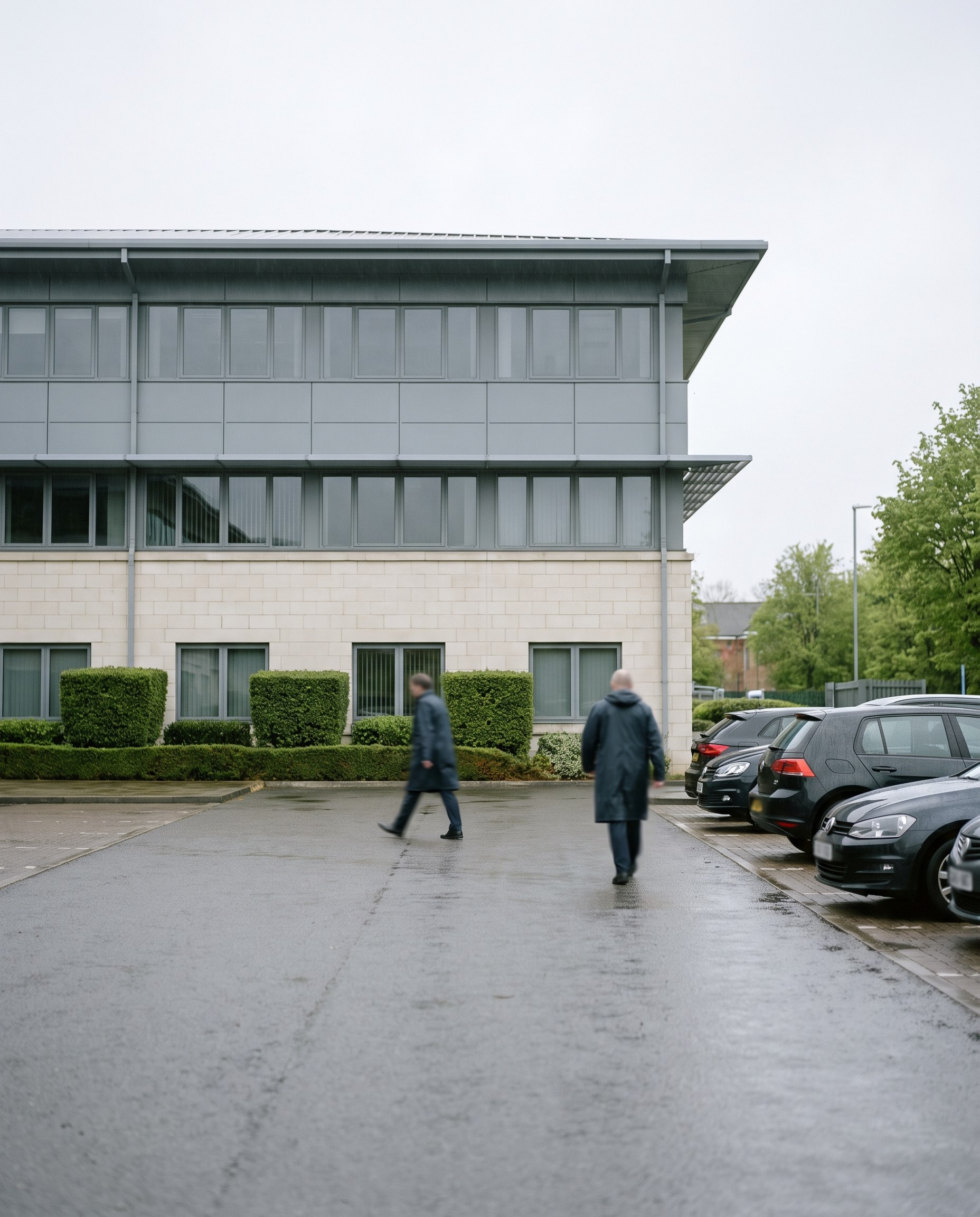
Business park and town centre offices let to established occupiers on institutional leases.
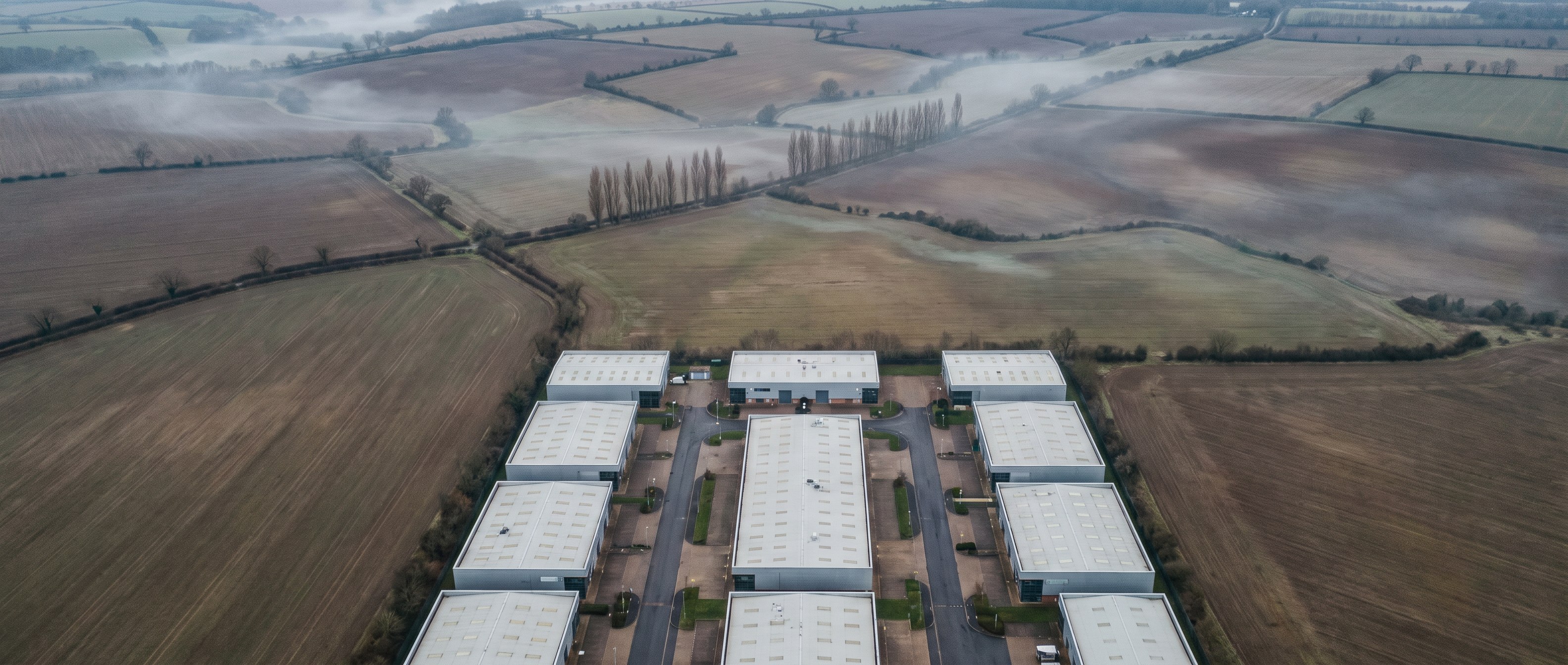
Industrial and logistics
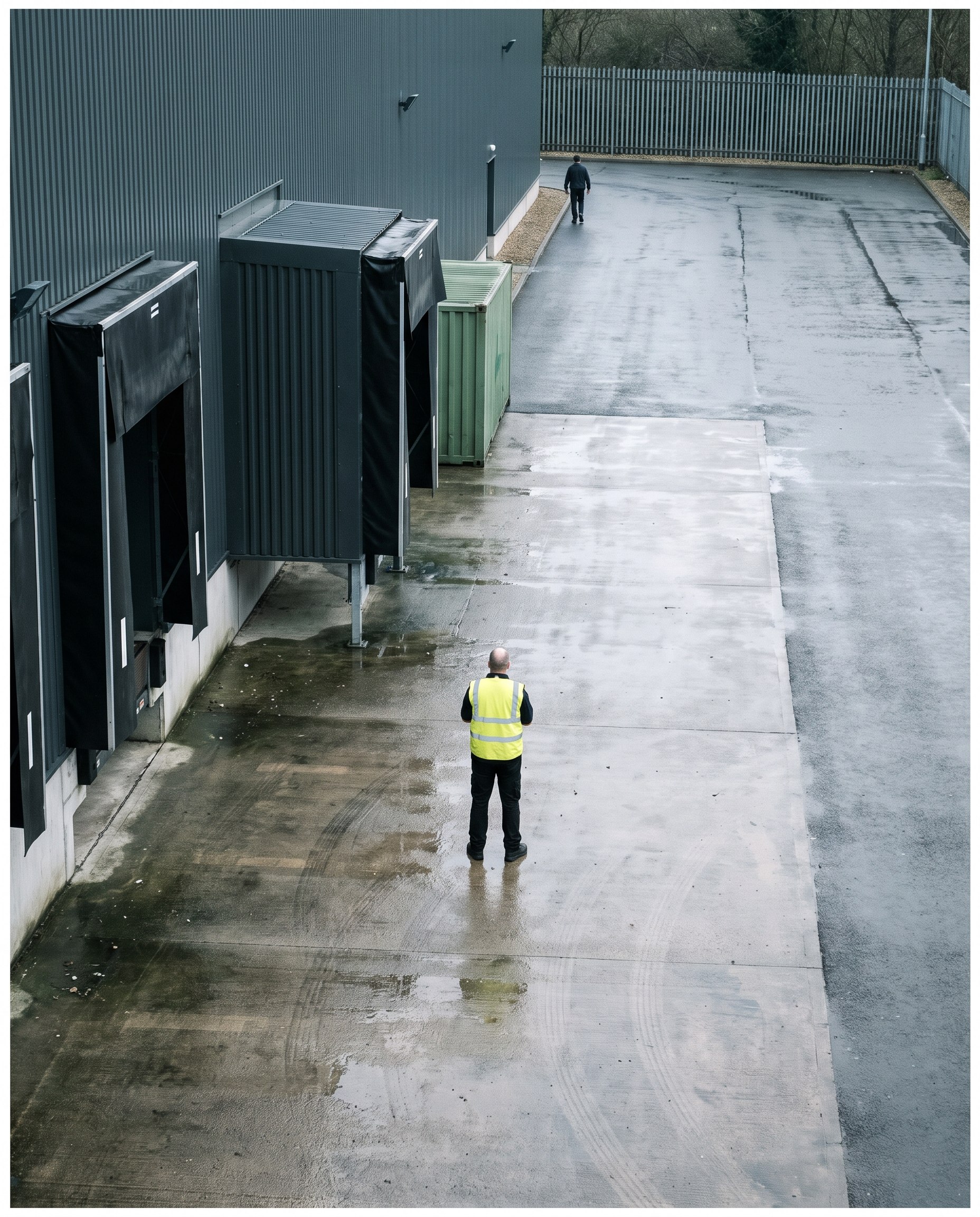
Single-let and multi-let units, warehousing and trade counter space close to arterial routes.
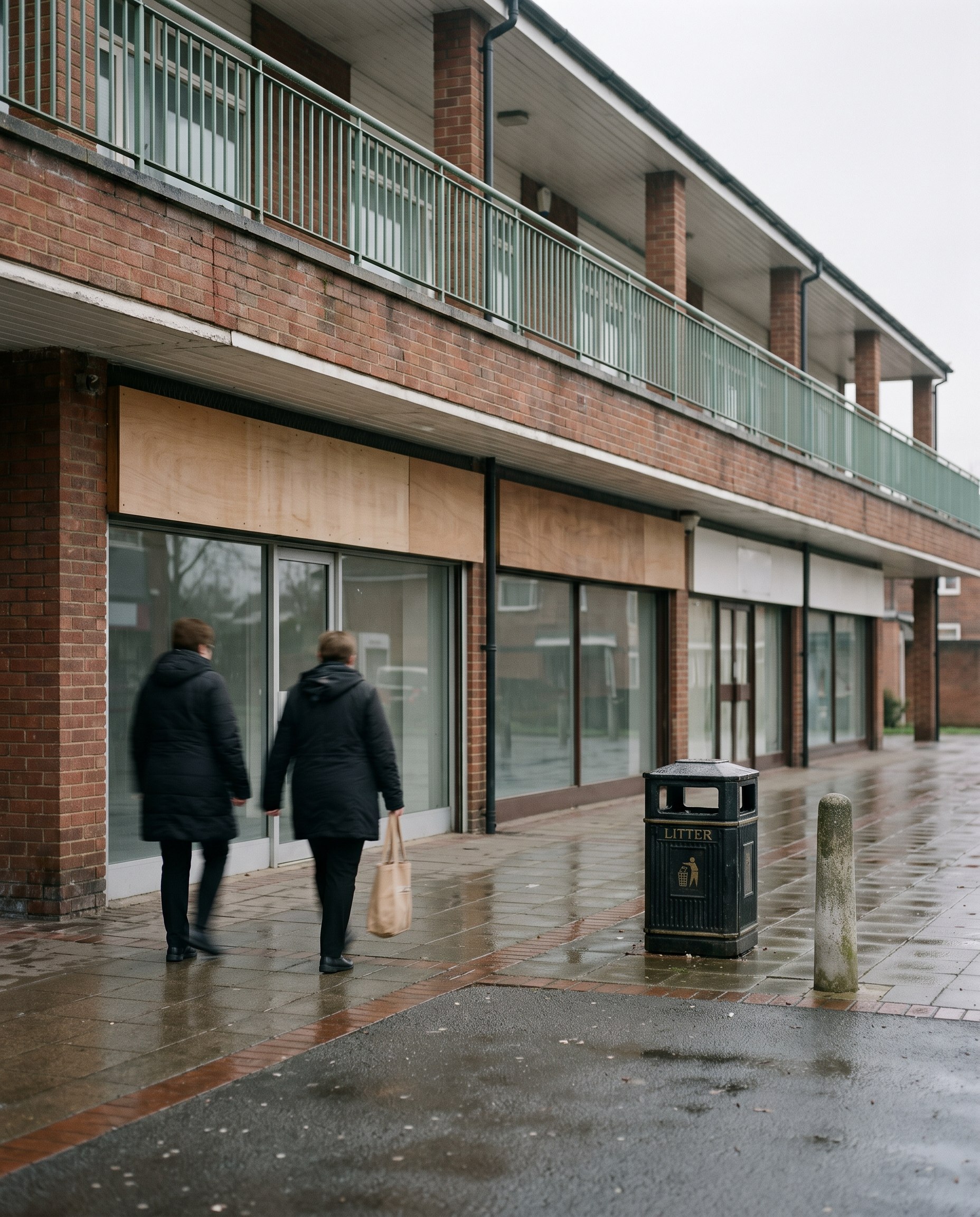
Retail and roadside
Neighbourhood parades and roadside units let to convenience, trade and service occupiers.
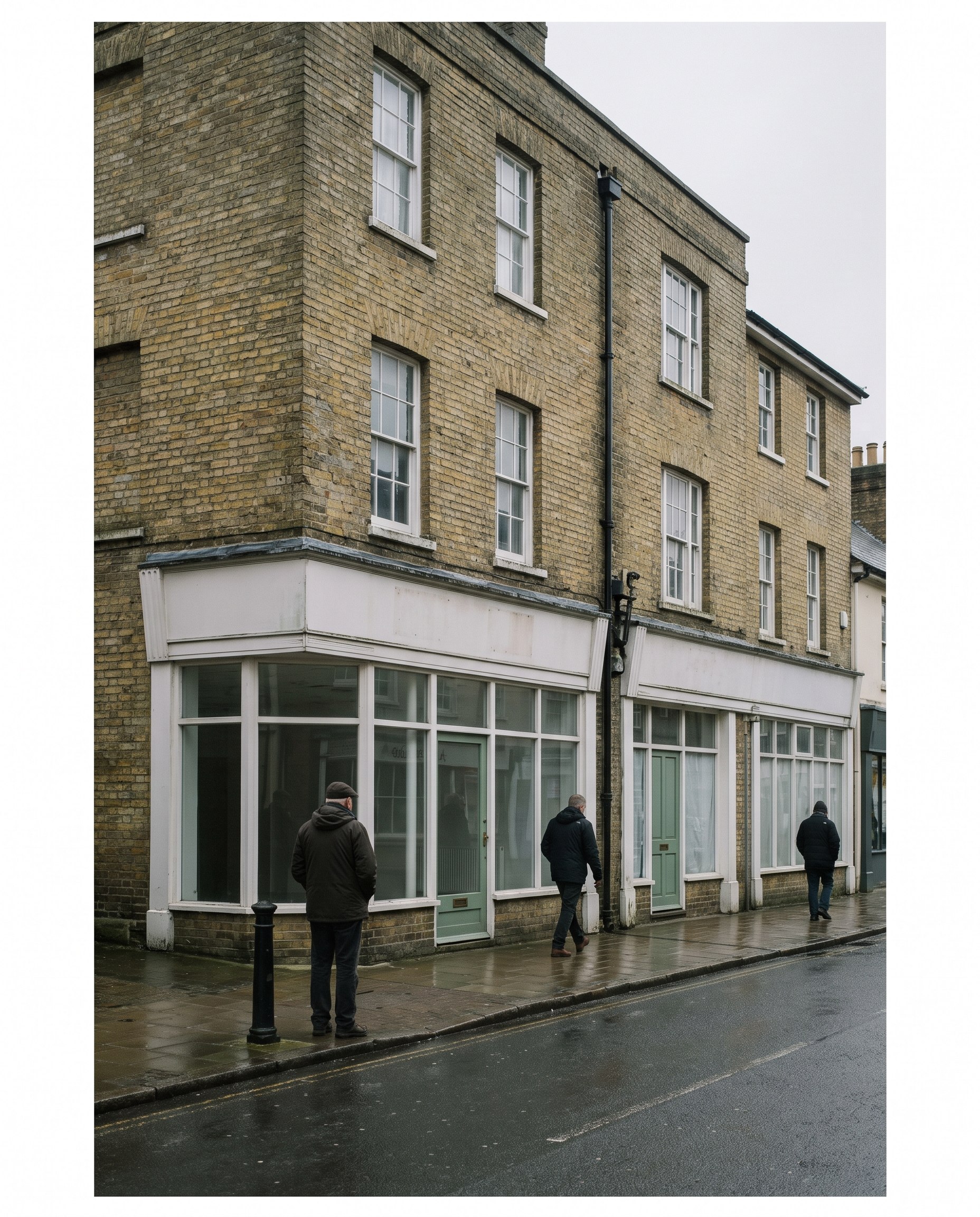
Mixed use
Commercial ground floors with upper floors retained for income rather than broken up and sold.
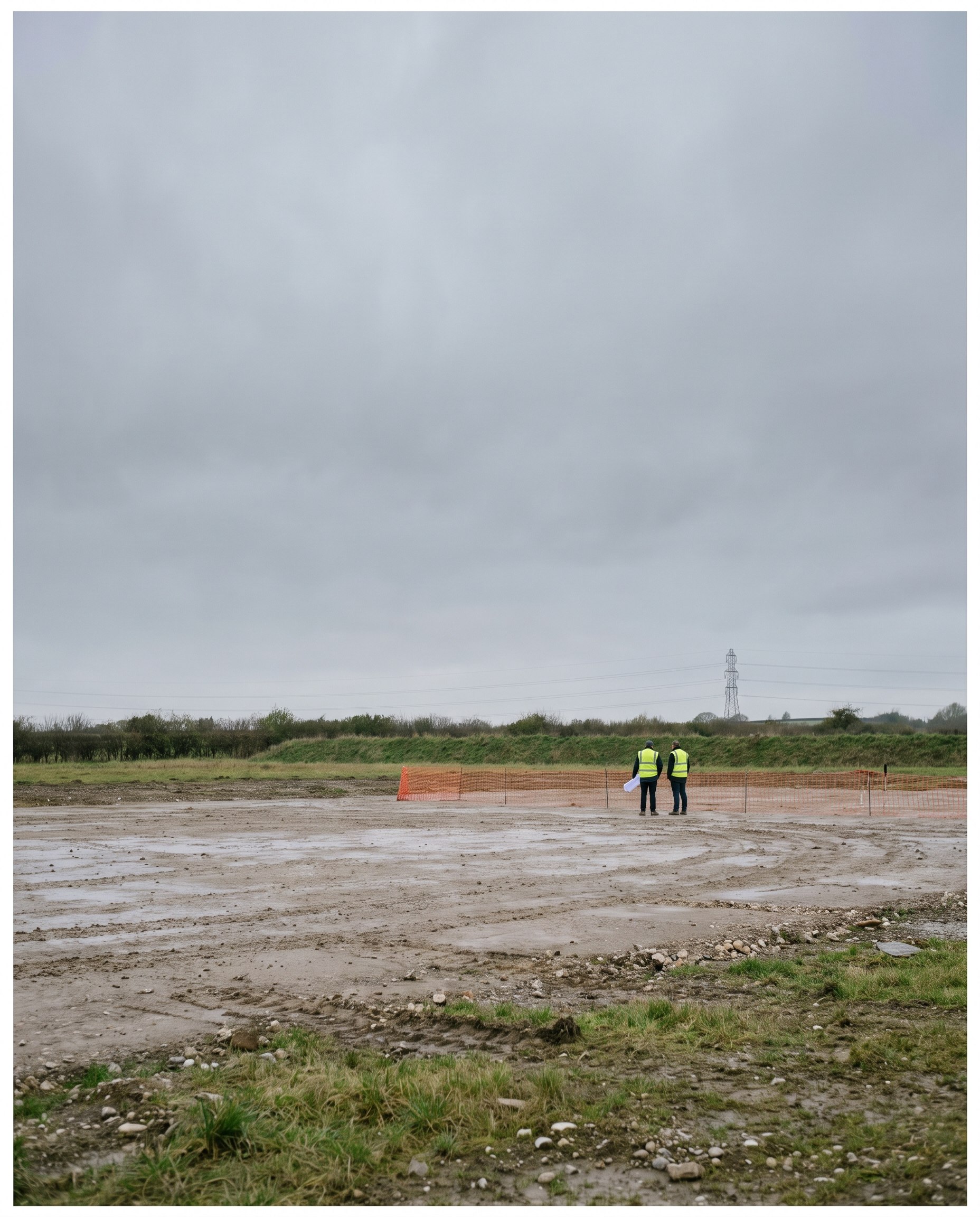
Land and development
Sites held alongside standing assets and brought forward when the planning position is right.
Why it matters who owns the building
The company has held and operated its own property since 1986. For an occupier or a vendor, that has practical consequences.
One decision maker
An offer is analysed in-house and decided by the two directors. There is no external mandate and no fund approval cycle sitting between the question and the answer.
No chain of intermediaries
Repairs, lease events and rent reviews are handled by the owner of the building rather than passed down to a managing agent.
No exit date to work around
A building is underwritten on the rent it can sustain over time, so a tenancy is not disturbed by someone else's disposal window.
An exchange is on the table
Not every owner wants cash. Where a property-for-property exchange suits both sides, the company is set up to structure one.
How a transaction runs
Buying as principal removes most of the steps that slow a sale down. What remains is short enough to set out in full.
Approach
An introduction from an agent, a vendor or another owner. We say early whether the asset is of interest, rather than holding a position open.
Information
Title, leases, service charge history and any planning position. Enough to underwrite properly, not a data room assembled for its own sake.
Decision
The investment team underwrites and recommends; the two directors decide. There is no external mandate to satisfy and no credit paper to wait on.
Completion
Solicitors instructed, a timetable agreed with the vendor, and a completion date the company holds to.
Sustainability and impact
A landlord who expects to still own the building in twenty years has a different relationship with its energy performance than one who expects to sell in five.
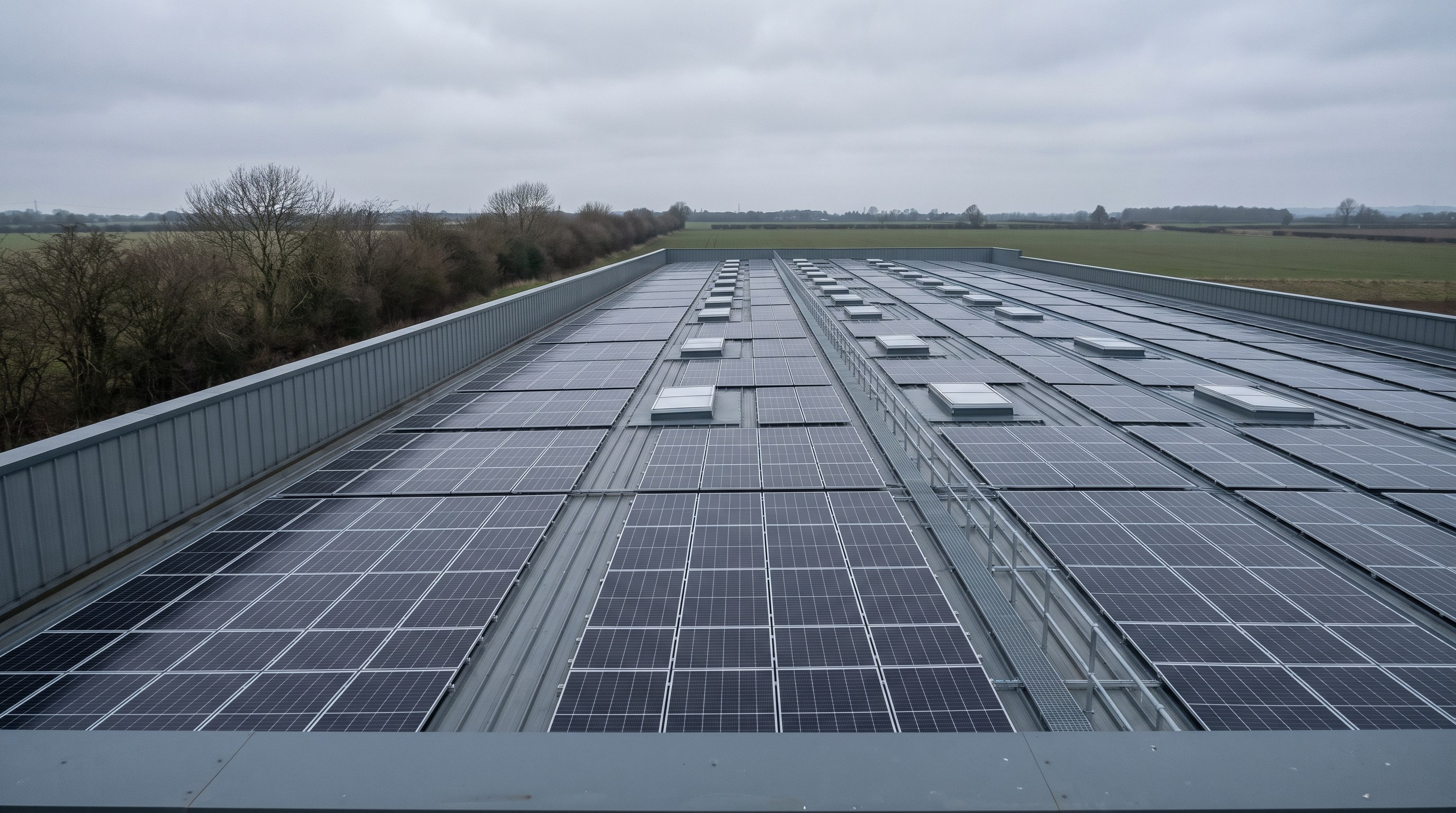
EPC and MEES are a condition of holding
Since April 2023 it has been unlawful to continue letting a commercial property in England and Wales rated F or G, subject to the registered exemptions. For an owner who intends to keep the building, compliance is not a project with an end date.
Retrofit before rebuild
The lowest carbon building is usually the one already standing. Upgrading fabric, plant and controls in a building already owned beats replacing it, on embodied carbon and on cost.
Performance shows up in the rent
Energy performance lands in the service charge and in what an occupier can afford to pay. Improving it protects the income as much as it protects the rating.
Four decades on the register
These are the market cycles the company has been trading through. The dates are a matter of public record, not a claim.
1986
Incorporated
Registered in England and Wales on 5 September 1986, company number 02052965.
1990-93
The UK property recession
Capital values fell across every commercial sector and yields moved out sharply. A generation of owners left the market.
2007-09
The financial crisis
The sharpest repricing of UK commercial property in a generation, and the withdrawal of most development finance.
2016-20
Repricing, then retail
The referendum repriced risk across the market, and physical retail was restructured through a wave of CVAs and administrations.
2020-21
The pandemic
Rent concessions, arrears, and a moratorium on commercial forfeiture that left landlords without their usual remedies.
2022-25
Rates and energy standards
The interest rate cycle reset values, and MEES made an EPC rating a precondition of letting rather than a disclosure.
2026
Forty years
The company remains on the register, in the same business, under the same activity it was incorporated to carry on.

The board
An investment function of 15 people sources and underwrites. Two of them are the directors on the Companies House register for company 02052965, and every acquisition and disposal decision is theirs.
Mark Dujardin
Director
Marios Michaelides
Director
Common questions
Where does the company buy?
England, with a bias toward locations that can be reached and managed from Cambridgeshire. No geographic boundary is published, because the practical limit is whether a building can be run directly rather than a line drawn on a map.
What lot size do you consider?
No range is published. The test applied is whether the income is durable and the building can be managed in-house, and that question does not resolve to a single number.
Do you appoint managing agents?
No. Occupiers deal with the owner of the building. That is a deliberate structure rather than a cost decision, and it is the reason repairs and lease events tend to move quickly.
How quickly can you complete?
The decision itself is quick, because it is taken by the two directors rather than referred out for approval. Completion then depends on title, searches and the vendor's own timetable, as it does for any buyer.
Will you consider a property exchange?
Yes. Where an exchange leaves both owners better placed than a sale would, the company is set up to structure one, giving or receiving the balancing payment.
Where is the company registered?
Horta Properties Limited is registered in England and Wales under company number 02052965, incorporated on 5 September 1986. The register entry is public and linked above.